Physical Address
304 North Cardinal St.
Dorchester Center, MA 02124
Physical Address
304 North Cardinal St.
Dorchester Center, MA 02124

By Byonghui Kim (DJ Tristan)
When international travelers think of South Korea, they usually picture Seoul’s bright lights, bustling shopping streets, or the spectacular coastlines of Busan and Jeju Island. These are wonderful destinations, but they reveal only part of the country.
There is another Korea, one that moves at a quieter pace. It is found in ordinary railway towns, neighborhood cafés, traditional markets, and streets where people go about their daily lives without thinking of themselves as part of a tourist attraction.
One of these places is Gimcheon, a city in North Gyeongsang Province.
I am a Korean man who spends much of his working life in Seoul, but Gimcheon is also an important part of my life. Traveling between these places reminds me that Korea is much more diverse than the images often seen in television dramas or travel advertisements.
If you have already explored Seoul’s famous attractions and want to experience something different, I would like to introduce you to a slower weekend in Gimcheon.
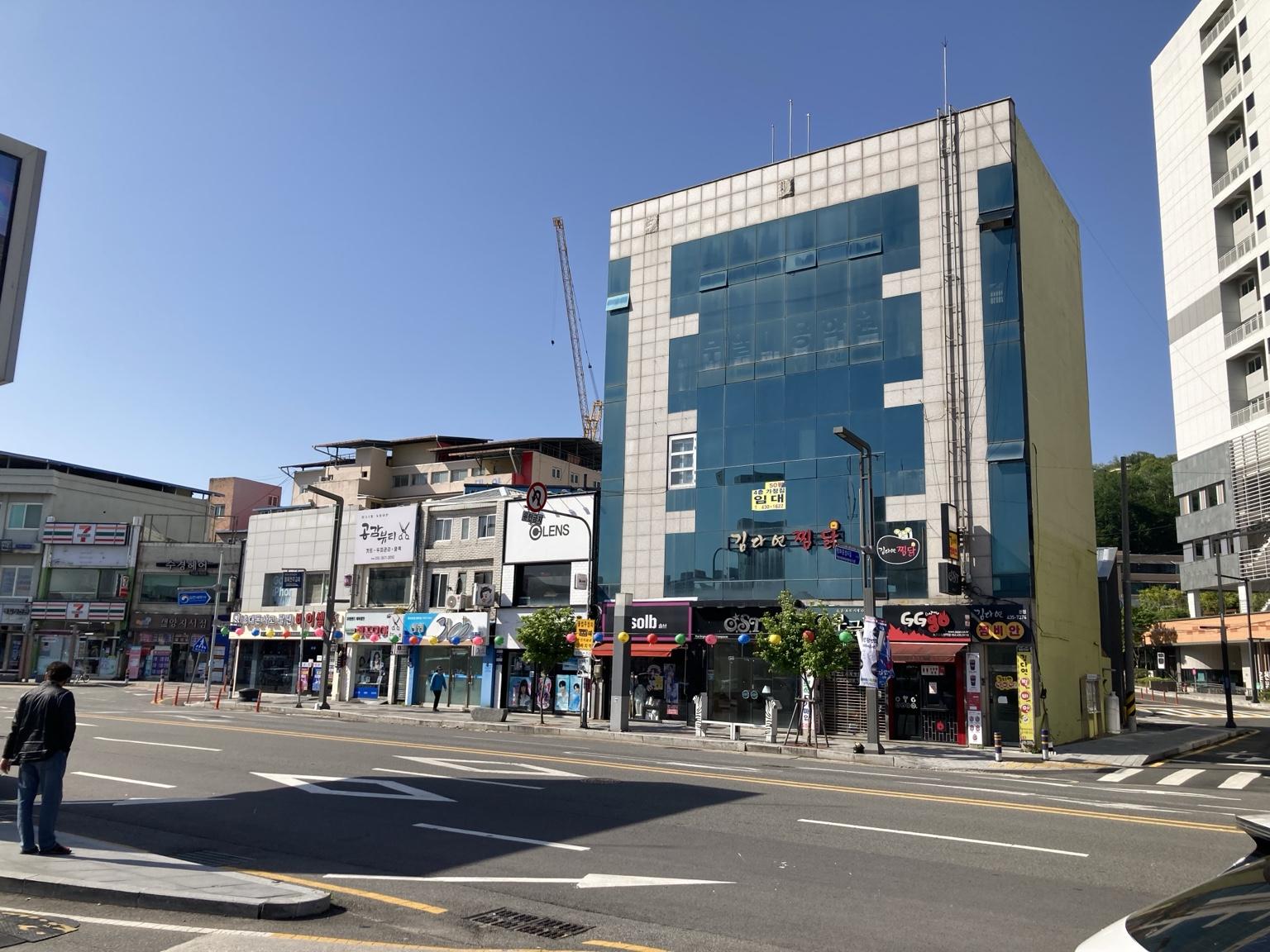
For me, the most interesting part of a journey is not always the destination itself. Sometimes it is the feeling of arriving somewhere familiar after spending days surrounded by the noise and pressure of a large city.
Gimcheon is accessible by train, making it possible to visit without renting a car. However, travelers should pay attention to an important distinction: Gimcheon Station and Gimcheon-Gumi Station are separate railway stations.
Gimcheon Station is closer to the older urban center, while Gimcheon-Gumi Station serves high-speed rail services and is located farther from the traditional downtown area.
For visitors planning to explore the neighborhood around Gimcheon Station, checking the arrival station and local transportation connections in advance is essential.
When I think about Gimcheon, I do not imagine a long list of attractions to visit as quickly as possible. I imagine stepping off a train, walking through ordinary streets, and allowing the city to reveal itself naturally.
That is the beginning of a different kind of Korean journey.
Many international visitors spend their time in Korea moving between famous destinations. They take photographs of palaces, shopping districts, and beautiful landscapes.
I enjoy those places too. But I also believe that ordinary neighborhoods tell us something important about a country.
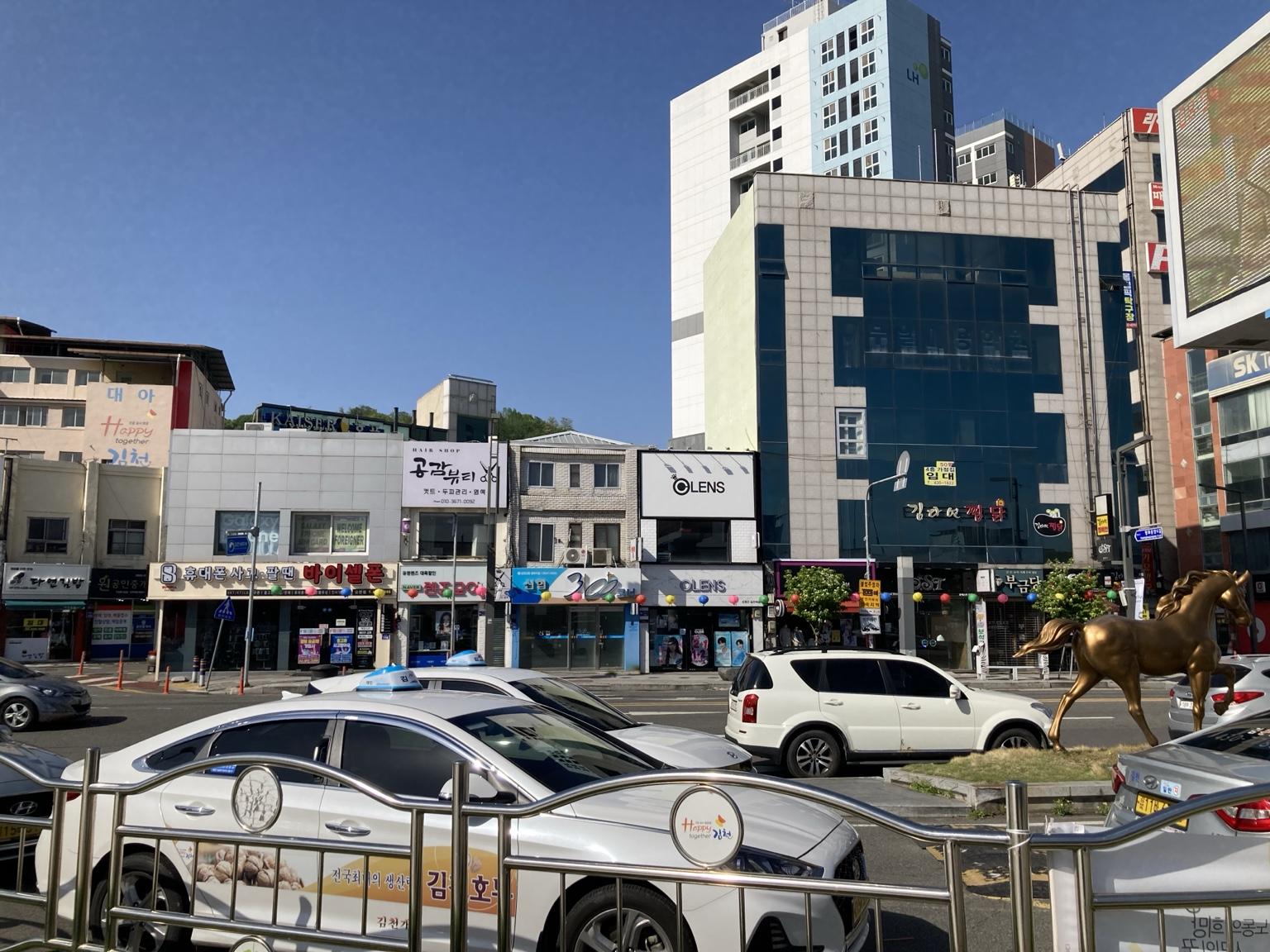
Around an older railway station, you can often observe how a city has developed over time. Streets, shops, cafés, and buildings reflect different periods of economic growth and changing lifestyles.
As someone who studied architecture and works in the construction industry, I naturally pay attention to these details.
I look at the scale of buildings, the relationship between roads and shops, and the ways people use public spaces.
An ordinary street may not appear in a guidebook, but it can still tell a fascinating story.
In Gimcheon, I encourage visitors to spend time walking through the established downtown neighborhoods rather than rushing directly to their next destination.
Look at the storefronts. Notice the differences between older buildings and newer commercial spaces. Observe how the city functions during an ordinary weekend.
You may discover that the most memorable part of your trip is not a famous landmark, but a small moment that nobody planned.
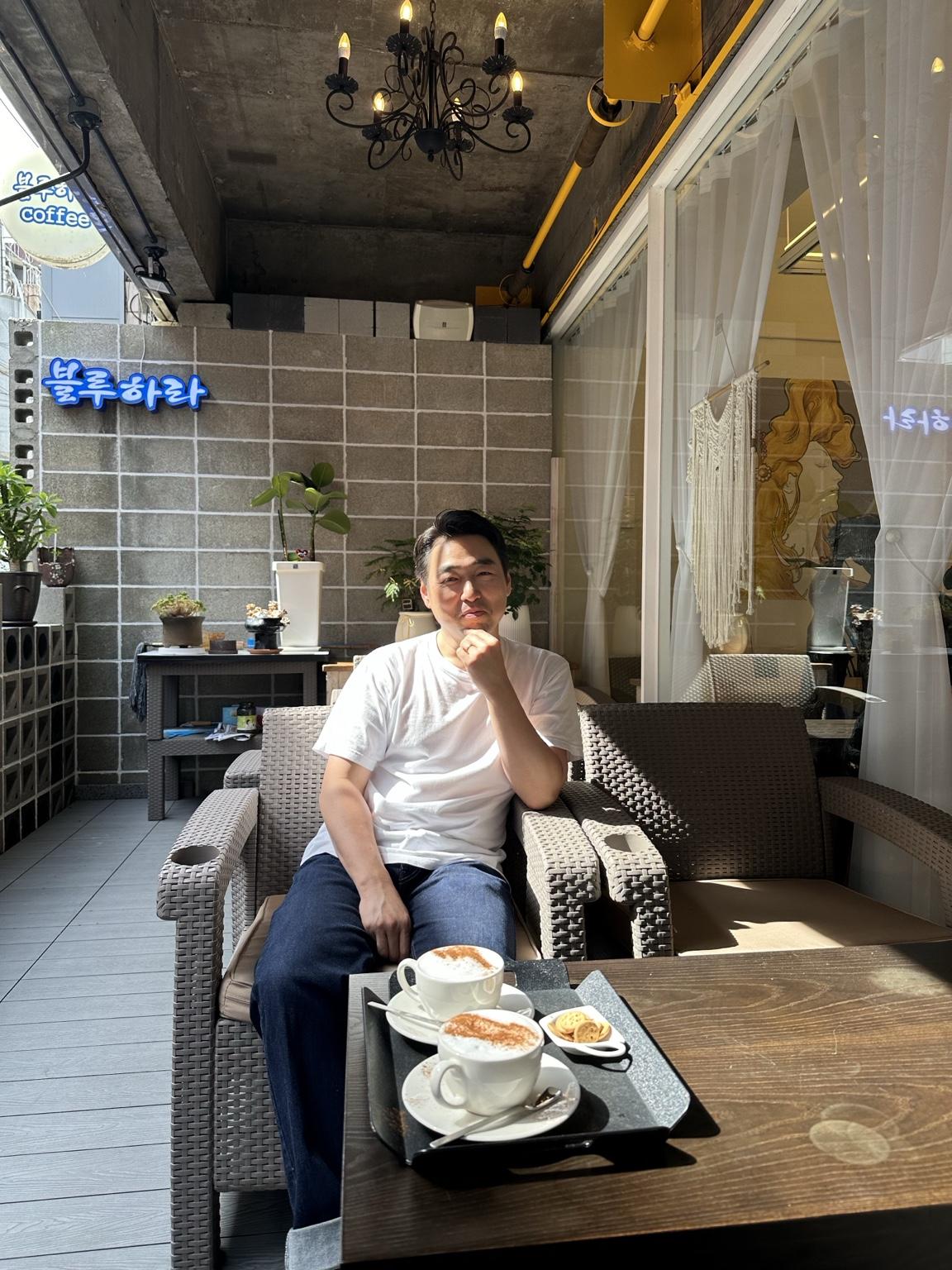
One of my favorite ways to experience a Korean city is through its cafés.
Coffee culture has become an important part of everyday life in South Korea. Cafés are not simply places to buy a drink. They are spaces where friends meet, couples spend time together, and individuals enjoy a quiet break.
This culture is not limited to Seoul.
During a visit to Gimcheon, I stopped at a café called Blue Hara near Gimcheon Station.
What I enjoyed was not the idea of discovering a world-famous café. It was the simple pleasure of sitting down and spending time in a regional Korean city.
For me, these experiences are part of what makes traveling worthwhile.
A visitor does not always need an elaborate itinerary. Sometimes a good drink, a comfortable seat, and a little time to observe the surroundings are enough.
If you visit Gimcheon, I recommend choosing a café that appeals to you and enjoying the experience without rushing.
Opening hours and business details can change, so check them before visiting rather than relying on an old recommendation.
South Korea is often presented internationally through its most successful cultural exports.
K-pop, Korean dramas, fashion, and food have helped millions of people become interested in the country.
I think this is wonderful.
However, I also hope visitors will become curious about the lives of ordinary Koreans.
What does a normal weekend look like? Where do people meet their friends? How do families spend time together? What does a typical neighborhood feel like?
These questions may not sound as exciting as visiting a famous filming location, but they can lead to a deeper understanding of Korea.
In smaller cities, visitors have an opportunity to experience everyday environments without the constant pressure of moving between major tourist attractions.
Of course, regional Korean cities are not all the same. Each has its own history, economy, culture, and character.
Gimcheon is worth exploring as a place in its own right, not merely as a smaller version of Seoul.
I would suggest approaching Gimcheon with a flexible itinerary.
Begin with a train journey and allow enough time to reach the older downtown area. Walk around the station neighborhood, stop for coffee, and look for a local restaurant that interests you.
If you enjoy photography, pay attention to the details of everyday life: streets, signs, building façades, public spaces, and the atmosphere of the city.
Respect residents’ privacy when taking photographs, especially in residential neighborhoods or inside small businesses.
Travelers who want to explore beyond the downtown area can research additional attractions and transportation options before their trip.
Rather than promising that every destination is within walking distance, I recommend checking local maps and current transit information.
A slow journey does not mean an unprepared journey.
It means leaving enough space in your plans to enjoy unexpected discoveries.
My life has taken me through different parts of South Korea.
I have worked in Seoul, spent years involved in a major development project on Jeju Island, and experienced life in other Korean cities.
These experiences have made me appreciate how much the atmosphere of a place can influence daily life.
Seoul offers extraordinary energy and opportunities. It is a city where something is always happening.
But I also value the quieter moments found outside the capital.
In Gimcheon, I am reminded that not every meaningful experience needs to be dramatic.
A familiar street, a conversation over coffee, or an unhurried afternoon can be memorable.
Perhaps this is one reason I enjoy sharing photographs of my everyday life.
I want international readers to see Korea not only as a destination, but also as a place where ordinary people live, work, celebrate, worry, and dream.
If you are planning your first trip to South Korea, I would still encourage you to explore Seoul, Busan, and Jeju Island.
They are popular for good reasons.
But if you have extra time, consider visiting a regional city such as Gimcheon.
You do not need to find something spectacular every hour.
Take a train. Walk through an unfamiliar neighborhood. Enjoy a cup of coffee. Look at the buildings and the people around you.
You may discover a side of Korea that feels more personal than the places you have seen on television.
And perhaps, when you return home, your favorite memory will be something surprisingly ordinary.
That is the Korea I would like to share.
About the Author
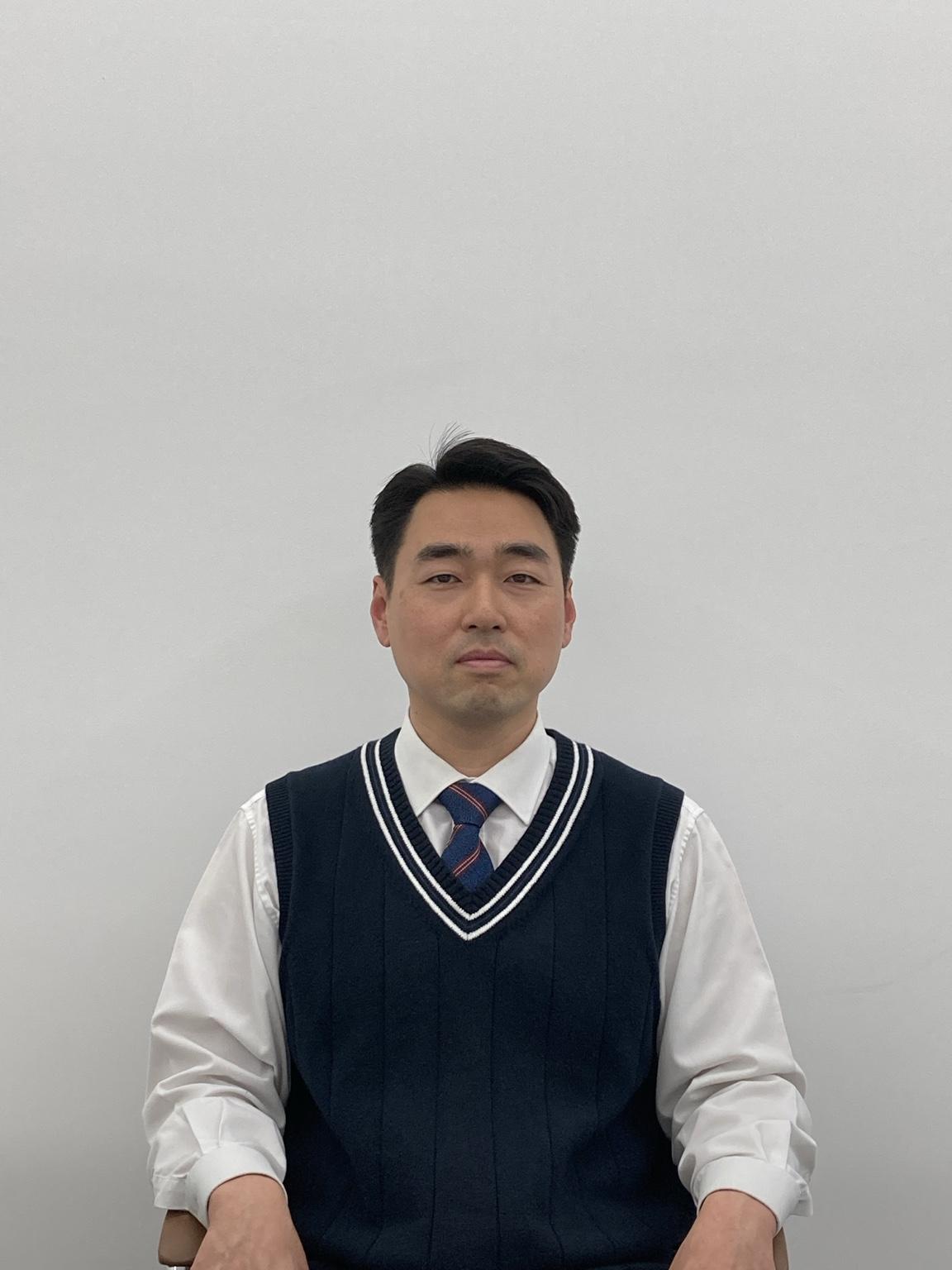
Byonghui Kim, also known as DJ Tristan, is a South Korean architecture professional and community social dance host. He divides his time between professional work in Seoul and activities in other Korean cities, including Gimcheon. Through his personal photography and writing project, PG Global Insight, he shares stories about everyday Korean life, culture, family, architecture, and local communities.